
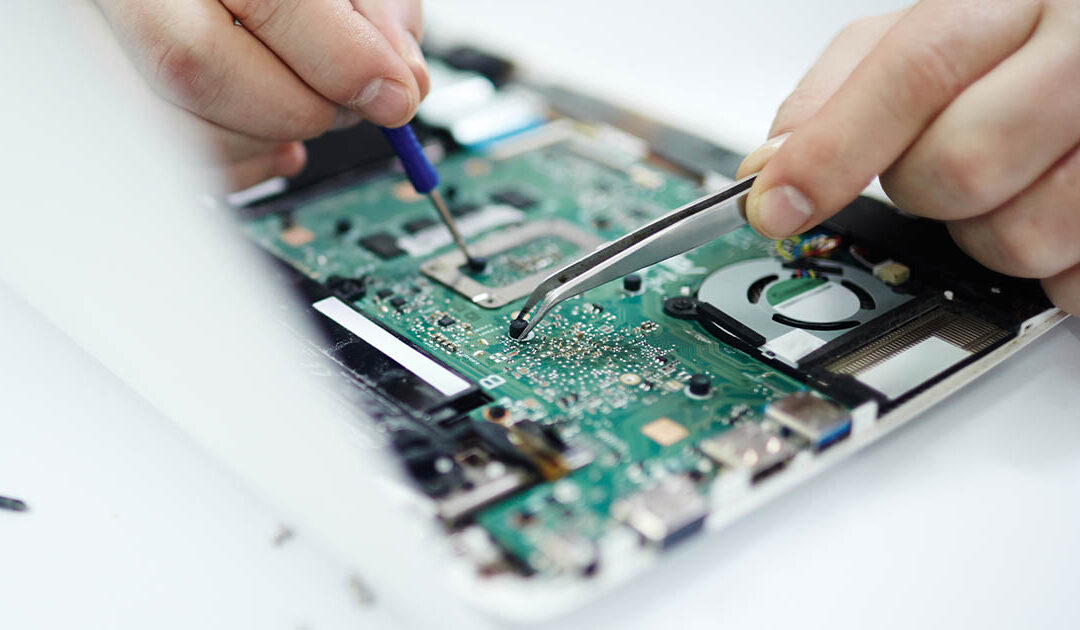
As technology budgets continue to face increasing pressure, school districts are constantly evaluating whether damaged student devices should be repaired or replaced. While replacing a device may seem like the easiest solution, it is often the most expensive option.
Developing a clear repair-versus-replace strategy can help districts maximize technology investments, extend device lifecycles, reduce downtime, and improve budget predictability.
Understanding when to repair and when to replace is a critical part of effective device lifecycle management.
Why Device Lifecycle Management Matters
Most school-issued Chromebooks, laptops, and tablets are designed to provide several years of service. However, daily student use creates wear and tear that can lead to damaged screens, broken keyboards, battery failures, charging issues, and accidental damage.
Without a defined strategy, districts often make replacement decisions based on convenience rather than cost-effectiveness.
A structured approach helps schools:
- Reduce overall technology spending
- Extend the useful life of devices
- Improve inventory planning
- Minimize student downtime
- Maximize return on technology investments
The goal is not simply to keep devices operating—it is to make the most financially responsible decision for every repair event.
When Repairing Makes Financial Sense
In many cases, repairing a device is significantly less expensive than replacing it.
Common repairs that are often cost-effective include:
- Screen replacements
- Keyboard repairs
- Battery replacements
- Charging port repairs
- Webcam replacements
- Hinge repairs
- Cosmetic damage
For newer devices, repair costs are frequently only a fraction of replacement costs. Extending a device’s life by even one additional year can create substantial savings across an entire fleet.
Districts that partner with experienced K-12 repair providers often achieve lower repair costs through access to high-quality replacement parts, certified technicians, and efficient repair processes.
When Replacement May Be the Better Option
While repair is often the preferred choice, there are situations where replacement becomes the smarter investment.
Replacement may make sense when:
- Repair costs exceed a significant percentage of replacement value
- Devices have reached end-of-life support
- Parts are no longer readily available
- Multiple major components have failed
- Device performance no longer meets educational requirements
- Operating system updates are no longer supported
For example, investing heavily in a device that is already approaching its expiration date may not provide meaningful long-term value.
A replacement strategy should consider both repair costs and the remaining useful life of the device.
Evaluating Total Cost of Ownership
One of the most effective ways to make repair-versus-replace decisions is by analyzing total cost of ownership (TCO).
Rather than focusing on a single repair event, districts should evaluate:
- Original purchase price
- Age of the device
- Historical repair costs
- Remaining support life
- Expected future repairs
- Productivity impacts from downtime
A device that requires one inexpensive repair may still offer several years of reliable service. Conversely, a device with recurring issues may cost more to maintain than replace.
Using TCO as a decision-making framework helps technology leaders make objective, data-driven decisions.
The Role of Accidental Damage Protection
Accidental Damage Protection (ADP) programs can significantly influence repair-versus-replace decisions.
Without coverage, districts may face unexpected repair costs that quickly impact budgets. With a comprehensive protection plan, many repairs can be completed for a predictable annual cost.
Benefits of ADP programs include:
- Budget predictability
- Reduced out-of-pocket repair expenses
- Faster repair turnaround
- Lower replacement rates
- Increased device lifespan
For schools operating large 1:1 programs, protection plans often make repairs financially viable even when accidental damage occurs frequently.
Building a Long-Term Device Strategy
The most successful districts establish repair and replacement guidelines before problems occur.
A comprehensive strategy typically includes:
- Defined repair thresholds
- Planned refresh cycles
- Inventory management processes
- Spare device pools
- Accidental damage coverage
- Vendor repair partnerships
By establishing clear policies, districts can make consistent decisions that align with both educational and financial goals.
Protect Your Devices at the Time of Purchase
Many school districts are now choosing to purchase AGiProtect through their preferred technology reseller when buying new Chromebooks, laptops, or tablets.
AGi has partnered with resellers nationwide to make our accidental damage protection and warranty solutions available alongside new device purchases. As a superior alternative to many OEM warranty and insurance programs, AGiProtect offers unlimited accidental damage claims, zero deductibles, instant claim approvals, and fast nationwide repair services designed specifically for K-12 schools.
By bundling protection with new device purchases, districts can simplify procurement, improve budget predictability, and ensure their technology investment is protected from day one.
Finding the Right Balance
The question should not be whether schools repair devices or replace them. The most effective technology programs utilize both strategies at the appropriate times.
Repairing devices whenever it is financially responsible helps districts maximize budgets and extend device lifecycles. Replacing devices when they no longer provide value ensures students and staff have access to reliable technology.
By carefully evaluating repair costs, device age, support availability, and total cost of ownership, schools can build a sustainable technology strategy that supports learning while controlling expenses.
For districts looking to reduce repair costs, extend device lifecycles, and improve budget predictability, partnering with an experienced K-12 technology services provider (like AGi) can help create a smarter, more effective repair-versus-replace strategy.
Contact AGi today to learn how our repair services, AGiProtect warranty programs, and nationwide support solutions can help your district create a smarter repair-versus-replace strategy. Request a consultation and discover how AGi supports thousands of schools across the country with reliable, cost-effective device management solutions.
